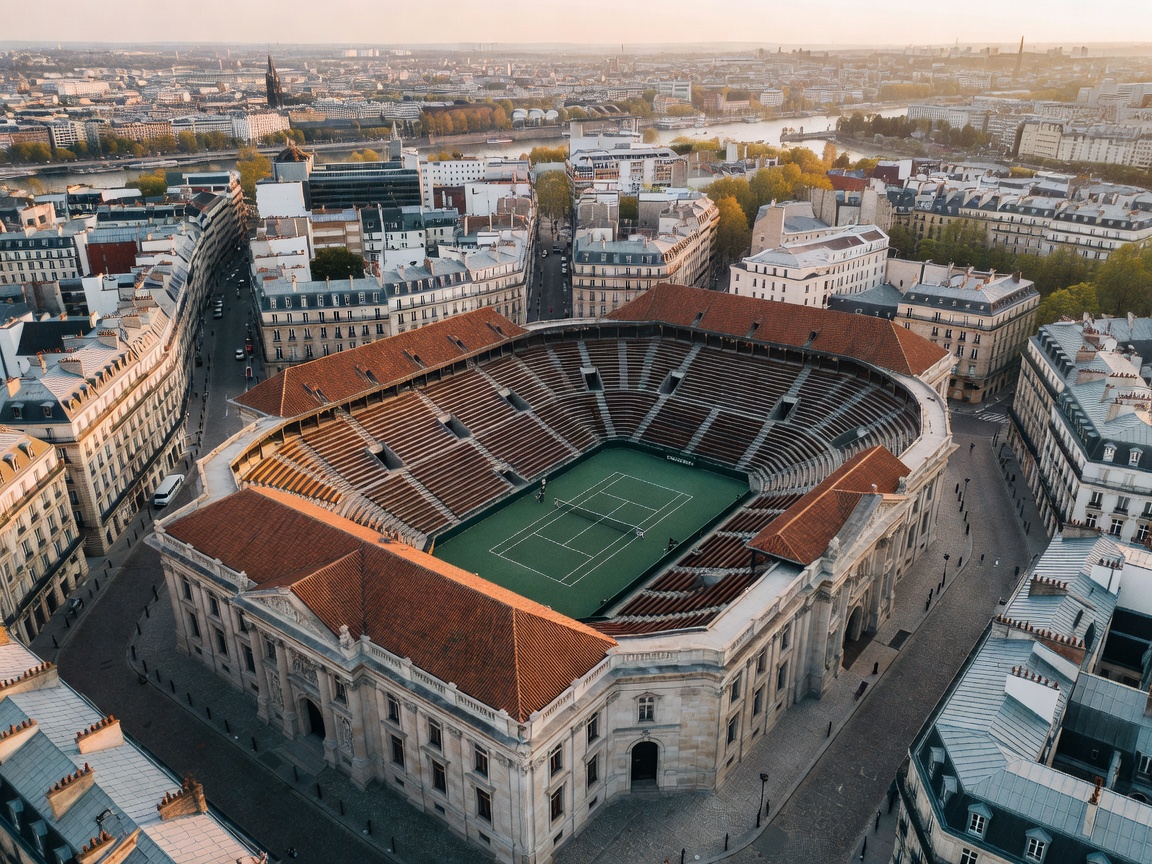
Understanding the European Tournament Landscape
Tennis in Europe follows a seasonal rhythm dictated by climate and court surfaces. For new fans and recreational travelers, attending a live European tournament offers an intimate view of the sport that television rarely captures. Matches take place in historic parks, scenic coastal clubs, and modern multi-court arenas across the continent.
Professional tennis is organized primarily by two governing bodies: the ATP (Association of Tennis Professionals) for men and the WTA (Women's Tennis Association) for women. Tournaments are divided into clear tiers based on ranking points, prize funds, and draw sizes.
Tournament Tiers Explained for Beginners
If you are looking at tournament tickets or schedules for the first time, the various numerical labels can seem confusing. Here is a clear breakdown of how tournaments are ranked in Europe:
| Tier / Category | European Examples | Surface | Key Characteristics |
|---|---|---|---|
| Grand Slams (Majors) | Roland-Garros (Paris), Wimbledon (London) | Clay / Grass | 128-player draws, best-of-five sets for men, highest prestige, two weeks long. |
| ATP Masters 1000 / WTA 1000 | Monte Carlo, Madrid Open, Italian Open (Rome), Paris Masters | Clay / Indoor Hard | Mandatory premier events, world top 20 players in attendance, intense 1-2 week schedule. |
| ATP 500 / WTA 500 | Barcelona Open, Halle Open, Queen's Club, Stuttgart Open, Berlin Open | Clay / Grass | High-caliber fields, excellent spectator proximity, often held at charming historic clubs. |
| ATP 250 / WTA 250 | Geneva Open, Estoril, Mallorca Championships, Lyon Open | Clay / Grass | Relaxed atmosphere, family-friendly access, tickets are generally easier to secure. |
The European Spring Clay Season
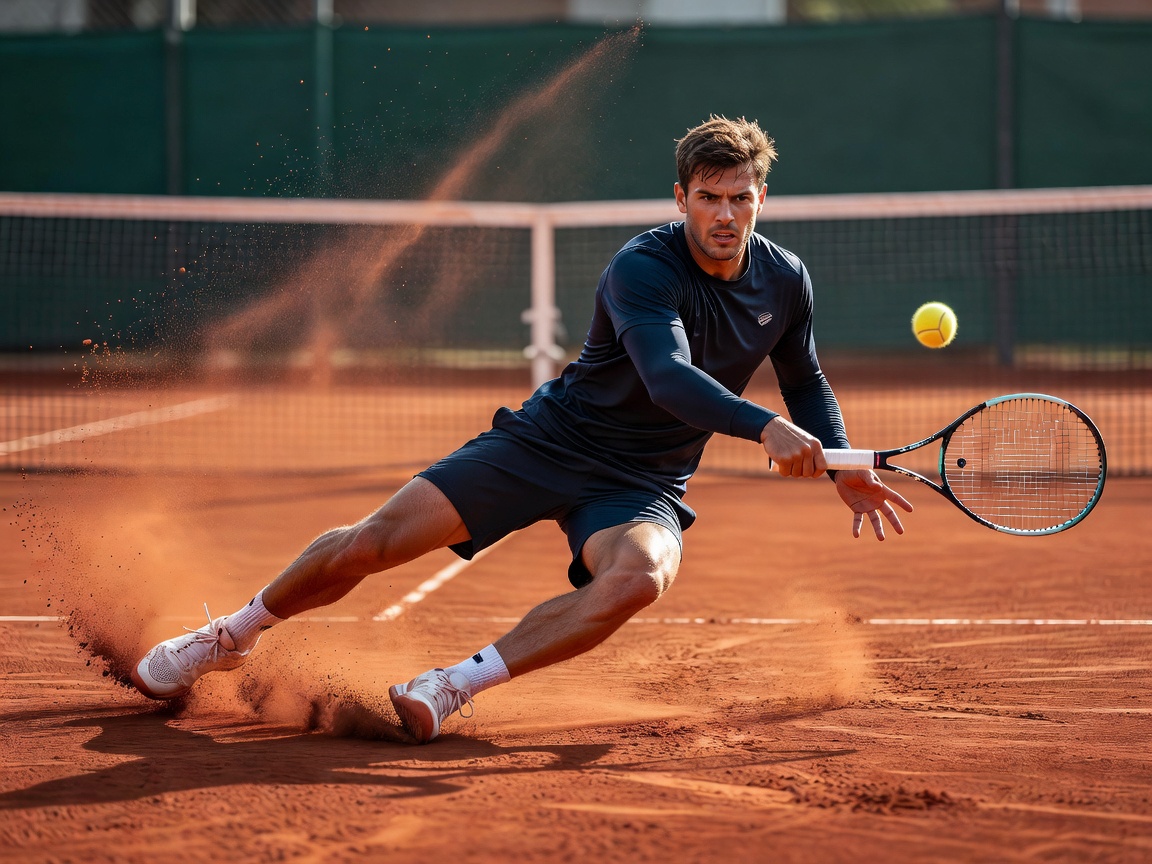
The European clay court season typically begins in April and culminates in late May or early June at Roland-Garros in Paris. Red clay, made of finely crushed brick layered over limestone, creates long, grueling rallies.
Key stops along the European clay swing include:
- Monte-Carlo Masters: Held at the Monte-Carlo Country Club in Roquebrune-Cap-Martin, France (just over the Monégasque border). It is famous for its cliffside courts overlooking the Mediterranean Sea.
- Barcelona Open (Trofeo Conde de Godó): Hosted at the Real Club de Tenis Barcelona, one of Spain's most historic private clubs.
- Madrid Open (Mutua Madrid Open): Held at the Caja Mágica in Madrid. Because Madrid sits at an elevation of roughly 650 meters, the thinner air makes the ball travel faster through the clay courts compared to sea-level venues.
- Italian Open (Internazionali BNL d'Italia): Held at the Foro Italico in Rome, surrounded by classical marble statues and towering pine trees.
- Roland-Garros (The French Open): The pinnacle of the clay swing. Matches are played over a grueling fortnight in the 16th arrondissement of Paris.
The Short, Prestigious European Grass Season
Immediately following the French Open, European tennis shifts to natural grass courts in the United Kingdom and Germany. The grass season is brief—lasting only four to five weeks—because natural grass requires intensive maintenance and is sensitive to rain and heavy foot traffic.
Notable grass-court tournaments include:
- Queen's Club Championships (London): A historic West London private club renowned for having some of the most meticulously manicured grass courts in the world.
- Halle Open (Terra Wortmann Open, Germany): Played at the OWL Arena in Halle (Westphalia), featuring a retractable roof to protect matches against rain delays.
- Stuttgart Open (Boss Open, Germany): A transition tournament that shifted from clay to grass courts to serve as an official Wimbledon preparation event.
- The Championships, Wimbledon: The oldest tennis tournament in the world, famous for its strict all-white clothing rule for players, absence of commercial court branding, and traditional public ticket queue.
Indoor Autumn Tournaments
In October and November, European tennis moves indoors onto hard courts. Major stops include the Vienna Open, the Swiss Indoors in Basel, and the Paris Masters (Rolex Paris Masters) at the Accor Arena. These events feature fast-paced, powerful tennis sheltered from autumn weather.
Spectator Tips for First-Time Tournament Visitors
Outer Courts vs. Stadium Courts: On early tournament days (Rounds 1 through 3), a ground pass or outer court ticket often provides superior value compared to center court tickets. Outer courts allow you to sit just meters away from top professional players.
Verification Notice: Match times, ticket lotteries, and venue safety policies change every season. Always verify exact dates and official ticketing procedures directly through the official tournament portals well before organizing your travel itinerary.